Dakwo Community Outreach
October 2025
Executive Summary
The Dakwo community, located on the peri-urban fringe of Abuja, exemplifies both the promise and persistent gaps characteristic of Nigeria’s expanding urban settlements. This household-based survey reached 2,896 households and covered approximately 4,863 individuals, representing nine distinct coverage clusters from Chief Street to Northstar Garden.
Demographic Profile
The community has a near-even gender distribution (50.2% female, 49.8% male). The majority of residents are of working age (70.5% between 18–64 years), with children aged 5–17 accounting for 22% and under-fives nearly 7%. Average household size is two persons, though larger clusters exist. Education levels show that while 87.3% of school-age children are enrolled, adult educational attainment remains limited, with nearly 40% of household heads reporting no response or no formal education.
Social and Economic Conditions
Households primarily sustain themselves through trading and small businesses (45%), artisan work (14%), and farming (10%). Income levels remain modest, with over 80% earning less than ₦70,000 monthly, and 8% reporting no income at all. Food insecurity persists: 14% of households reported full days without food, and signs of malnutrition in children under five, though low in percentage terms, highlight underlying vulnerabilities.
Health and Social Services
Access to healthcare remains uneven. While 82% of households are within 5 km of a facility, service quality is limited, and only 11.5% of residents have health insurance. Immunization coverage for polio is high (96%), but uptake of the HPV vaccine among women and girls is extremely low (1.7%). Only 27% of households have access to social protection programs, and maternal health services are constrained by preference for home or non-hospital births among some respondents.
Infrastructure and Living Conditions
Basic service access remains mixed. About 94% of households have electricity, yet power reliability is weak. Boreholes serve as the dominant water source (65%), while solid waste disposal services are largely absent (97% report no formal access). Housing is dominated by bungalows, though nearly 15% of structures remain incomplete or informal. Sanitation facilities are present but varied, with reliance on pit latrines (with or without slabs) still widespread.
Governance and Community Dynamics
The community demonstrates functional leadership (82%) and relatively strong access to public roads and transport (81%). However, structural development challenges remain acute. The most cited issues include unemployment (138 mentions), poor sanitation and waste management (110), water scarcity (102), inadequate schools (96), youth drug abuse (85), and poor health facilities (82). Secondary concerns include housing quality, road infrastructure, and gender-based violence.
Way Forward
The Dakwo survey underscores the multidimensional vulnerabilities of peri-urban settlements—combining high population density, modest incomes, and weak infrastructure with resilience demonstrated by high school enrollment, strong community leadership, and significant entrepreneurial activity.
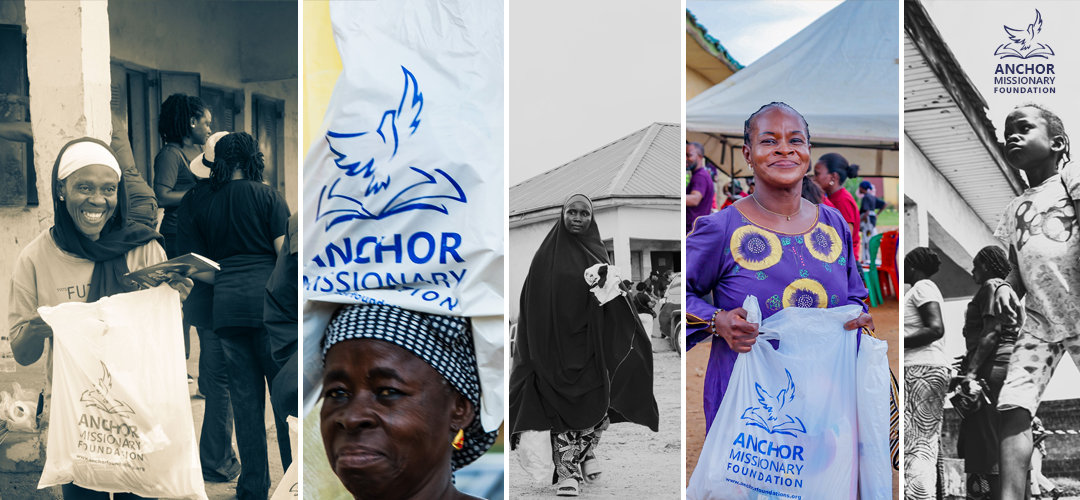
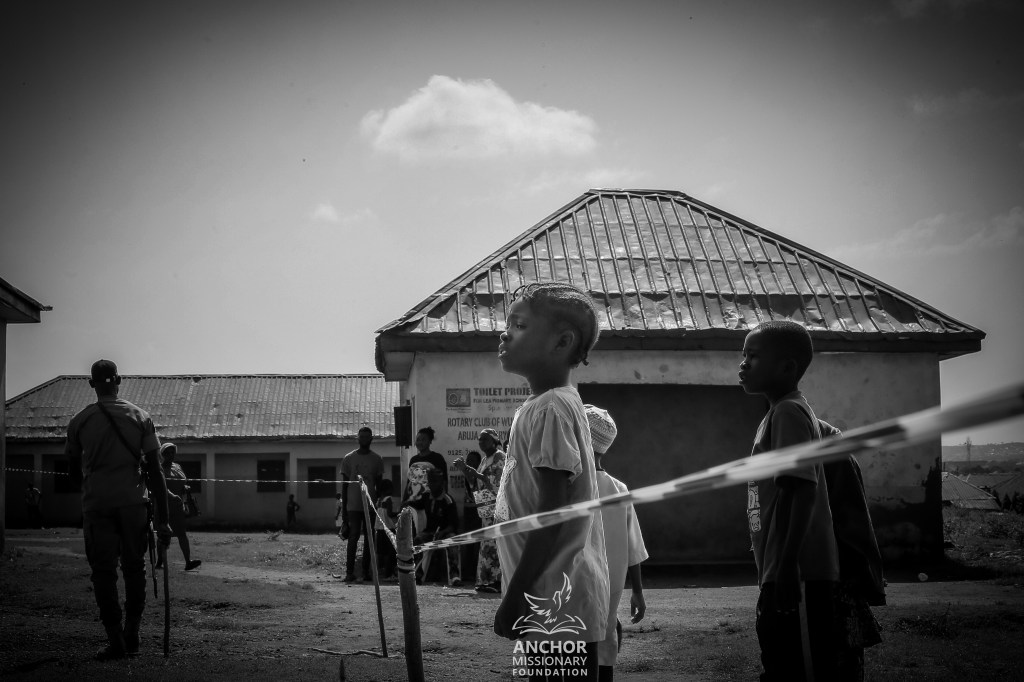
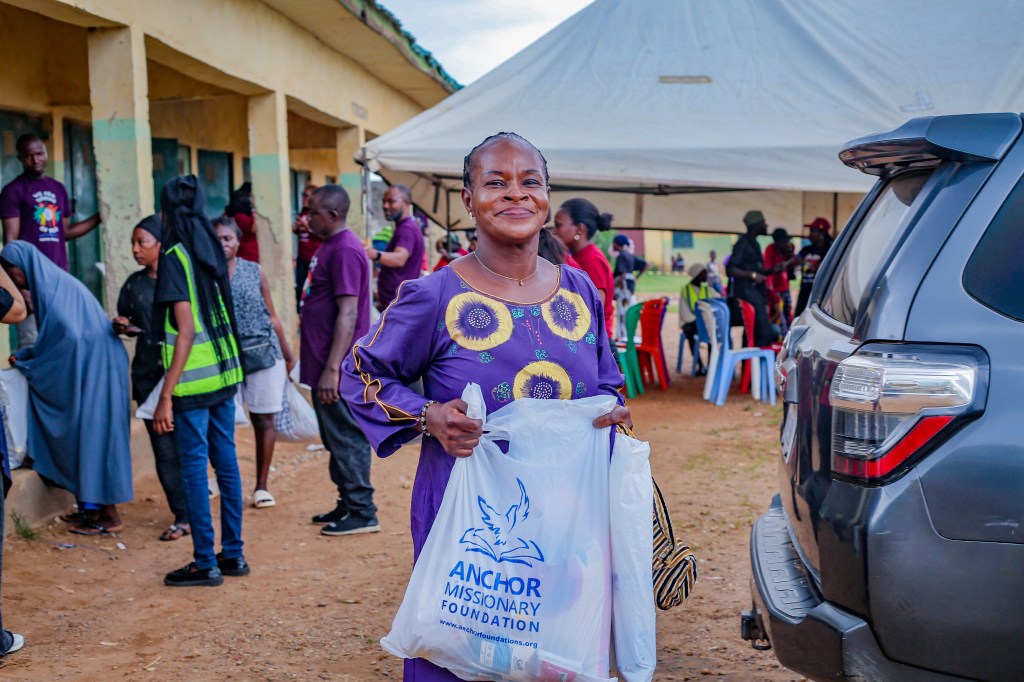
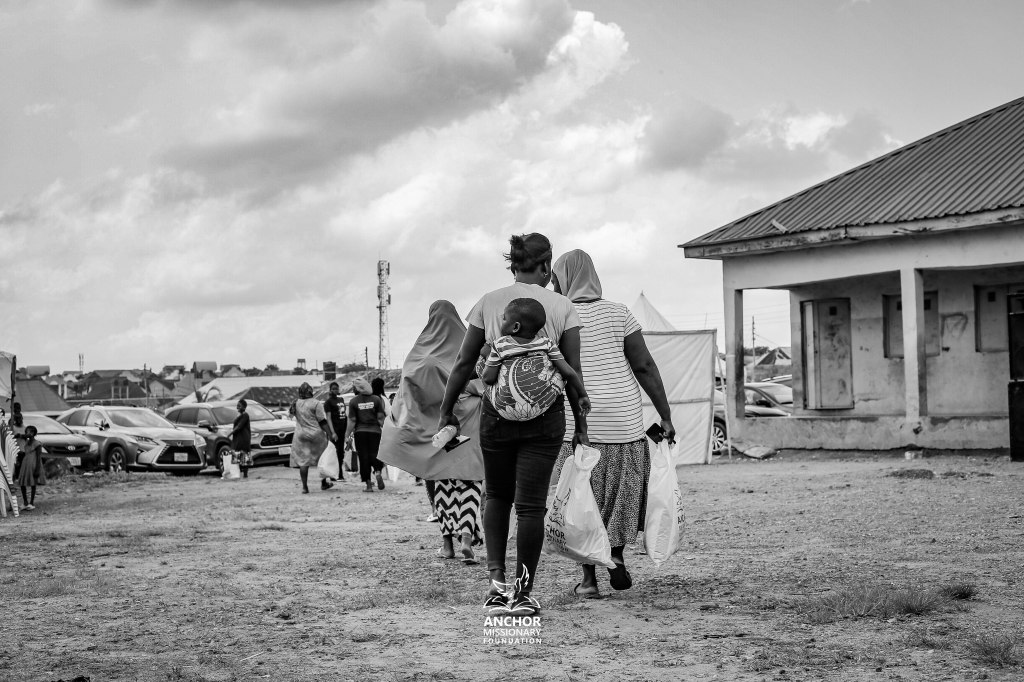
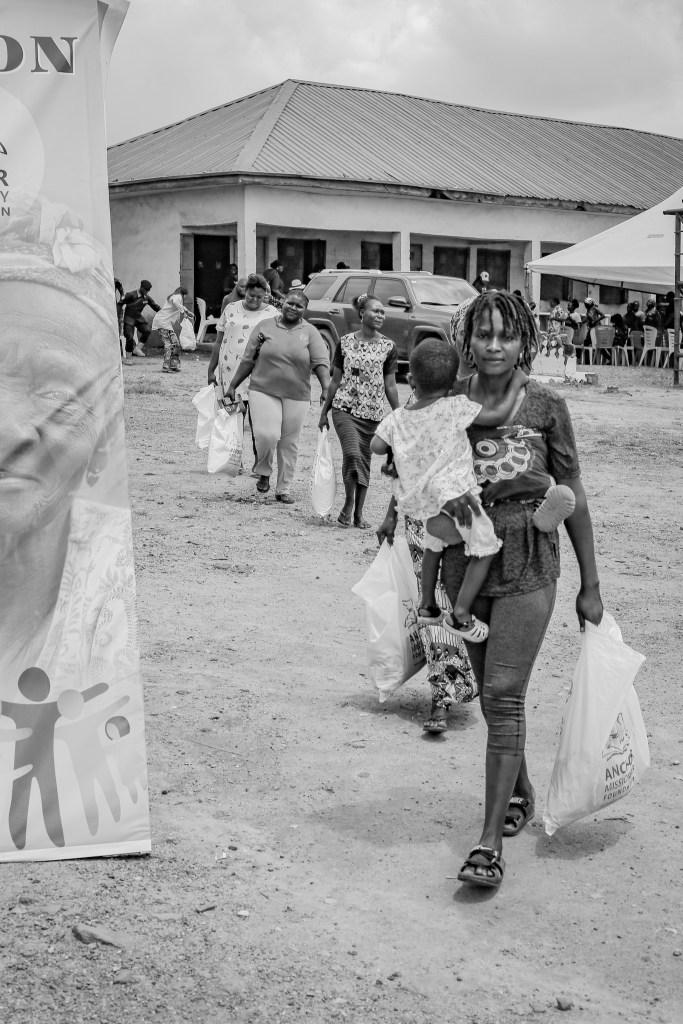
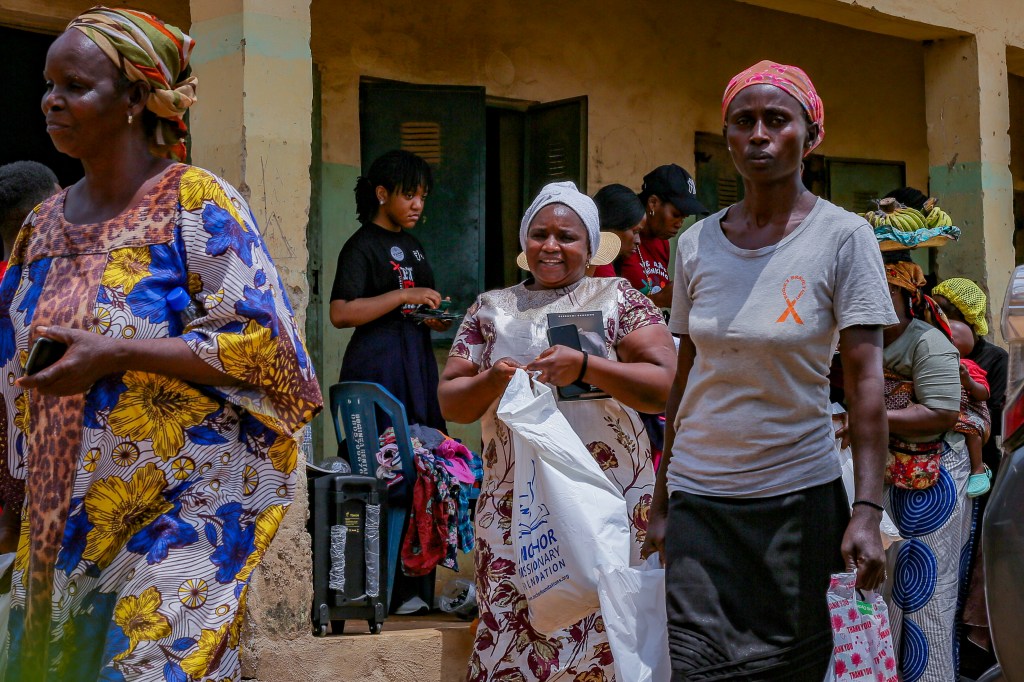
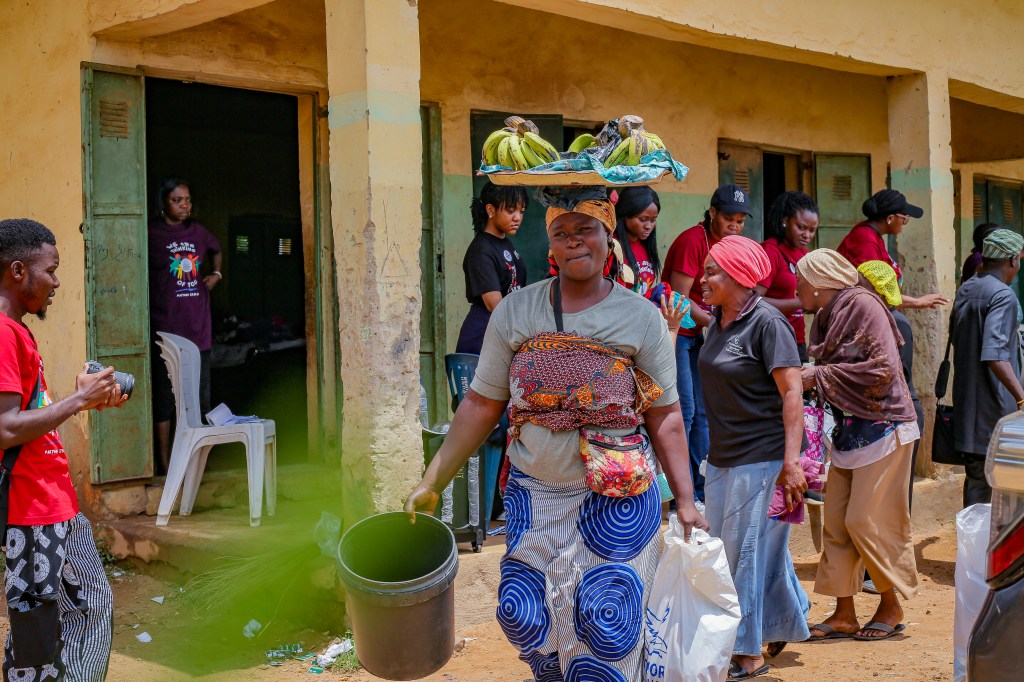
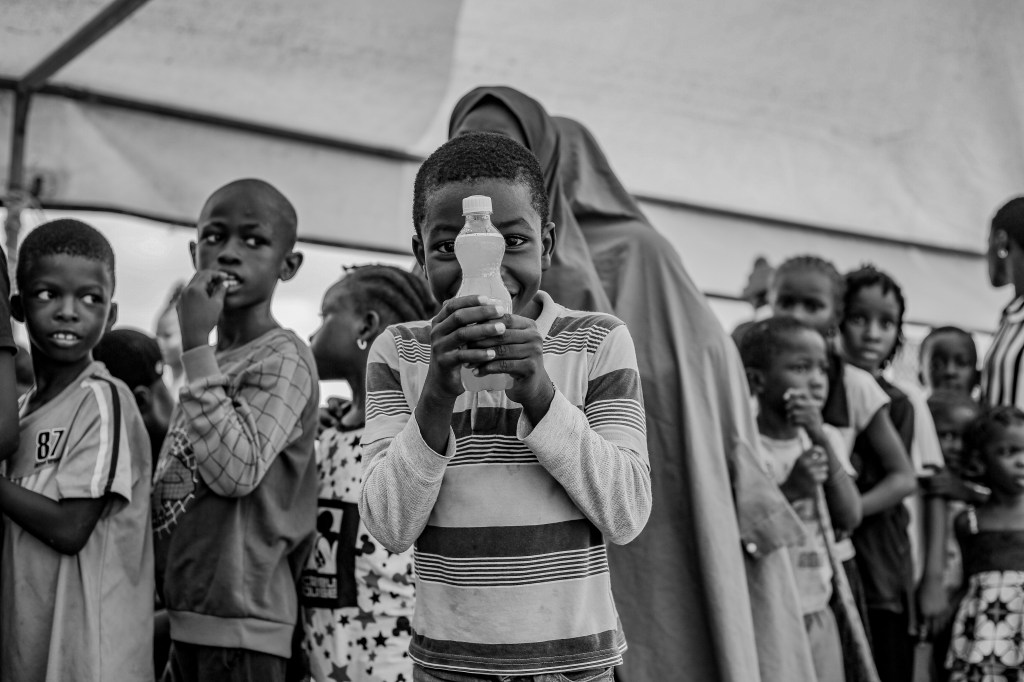
We commenced short-term interventions to address the systemic issues identified. First, we organized a welfare outreach to provide a short term stop gap, demonstrating love and compassion towards the women’s plights.
 Home!
Home! 